Studio & Craft
From real to virtual
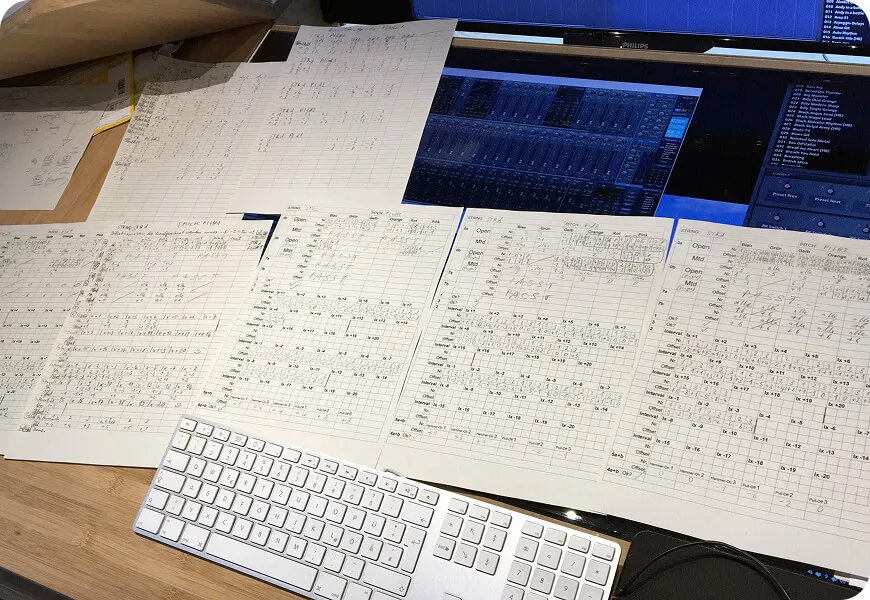
Big Wave Audio brings together musicians, sound engineers, and software developers. This is the way from a room with microphones and recording gear in it to an instrument you can play.
01
The instrument
Instruments & gear
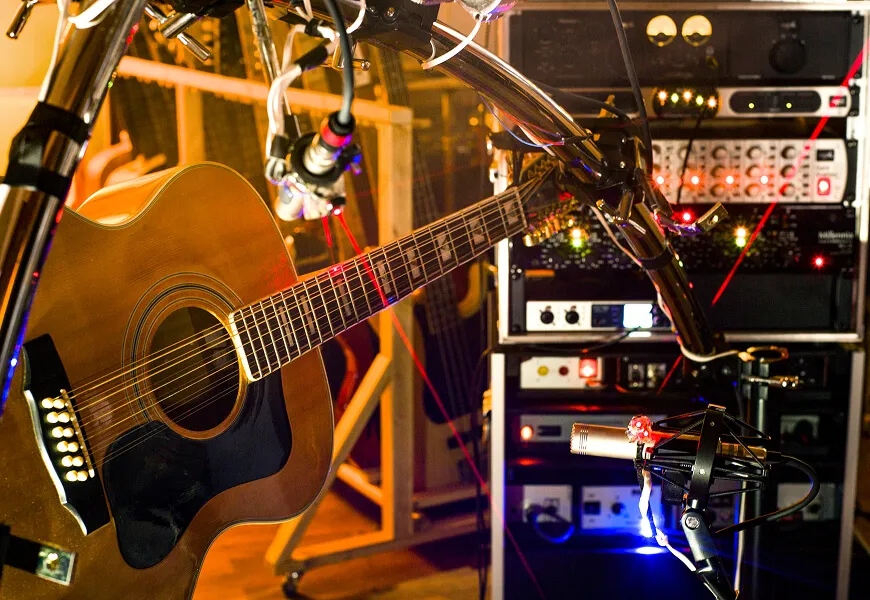
We use blind listening tests to pick our favourite instruments, microphones, and signal paths, and tune each instrument for optimal sound and playability. This yields natural, true-to-life emulations that capture instruments in their ideal technical and musical condition.
02
The performance
Session musicians
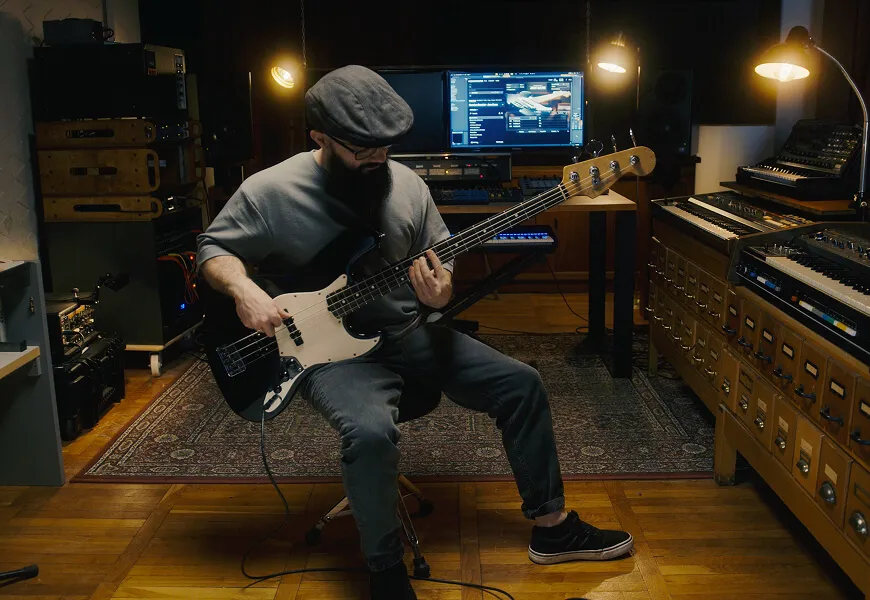
Over the years, we've built a large network of session musicians covering a wide range of genres. They bring their musicality and expertise to each of our projects. Captured performances by studio musicians are at the core of our products - that's why parts created with our libraries often feel like real recordings.
03
Recording
Recording studios
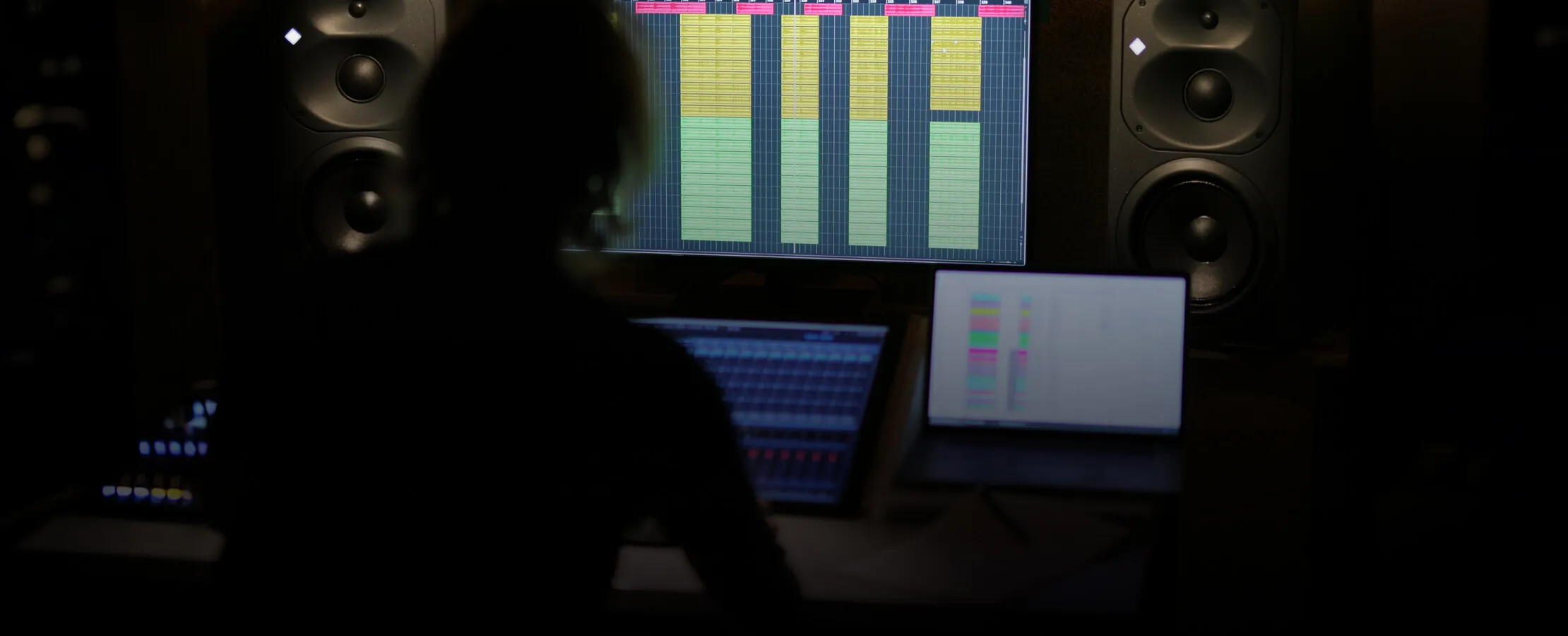
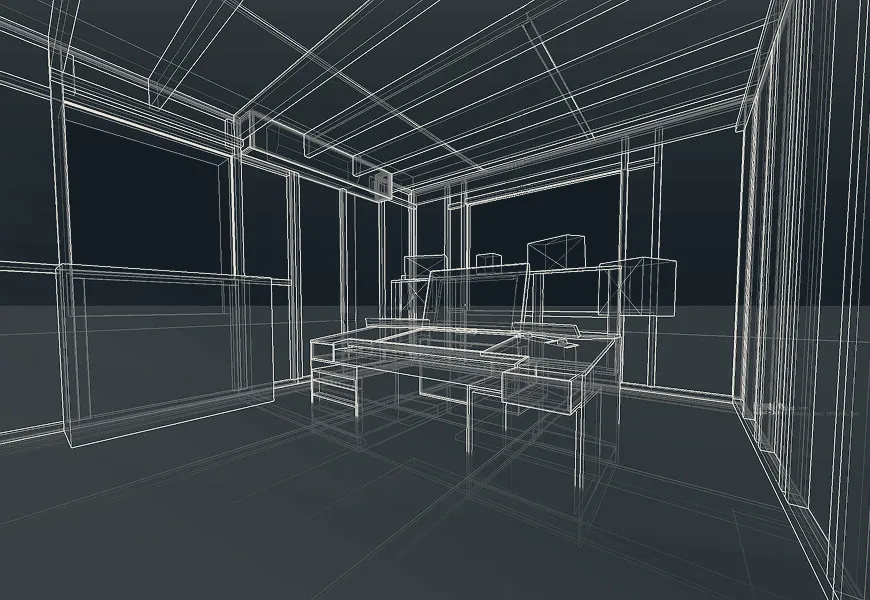
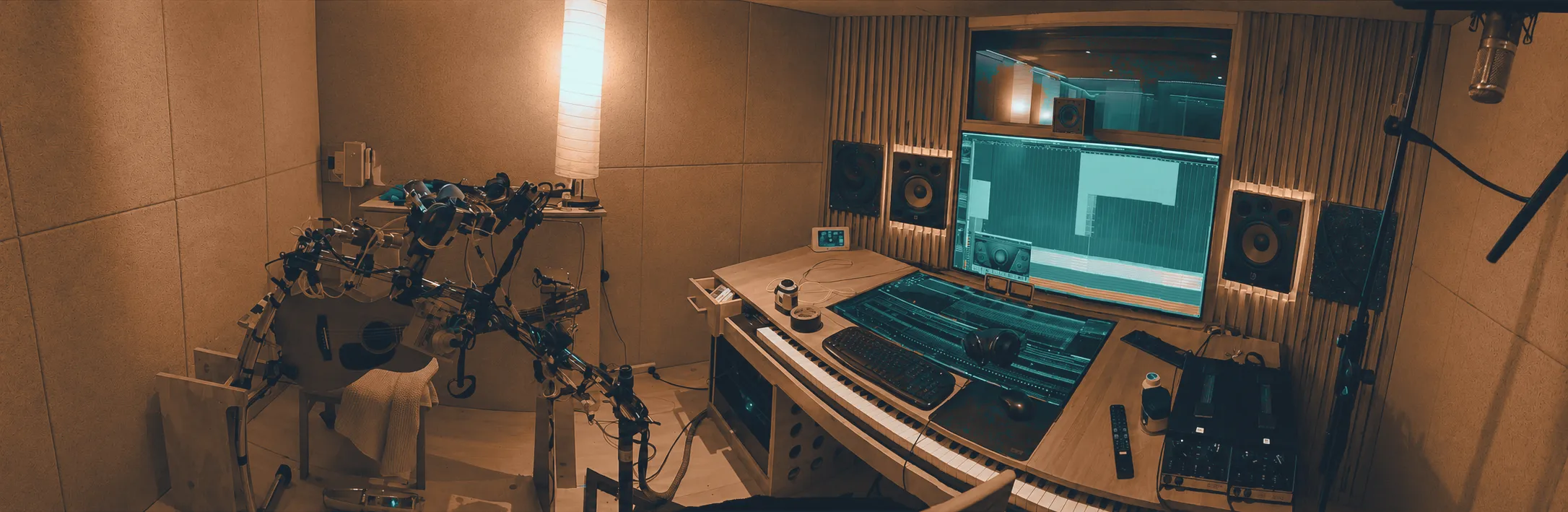
We design and build our own recording and listening spaces, including silent ventilation, air conditioning and electromagnetic shielding. Under the guidance of Philip Newell - former technical director of Virgin Records' recording studios division and author of "Recording Studio Design" - we've learned that an uncoloured listening environment is the cornerstone for sonically exceptional end results.
04
Sample production
Sample post-production
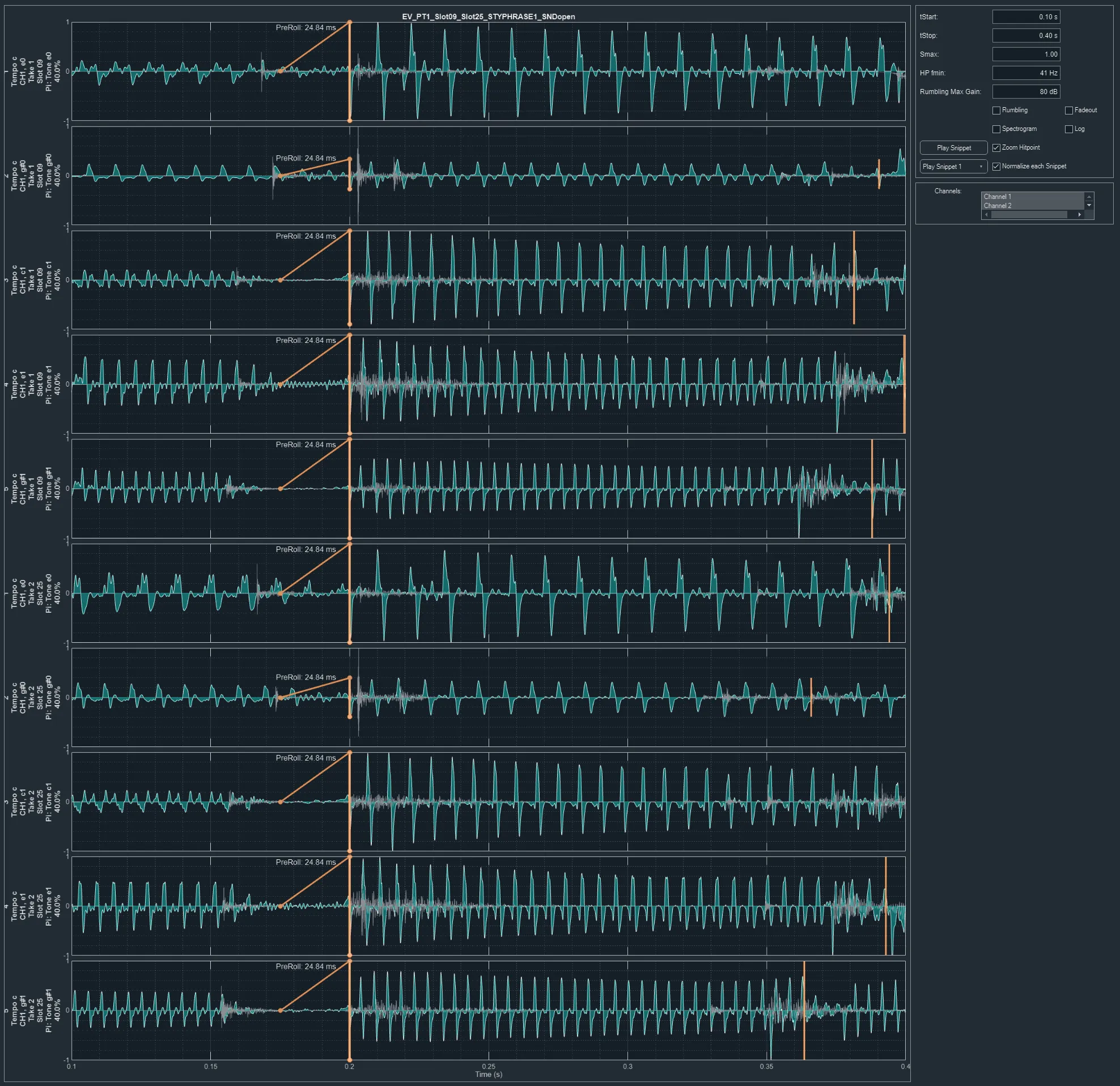
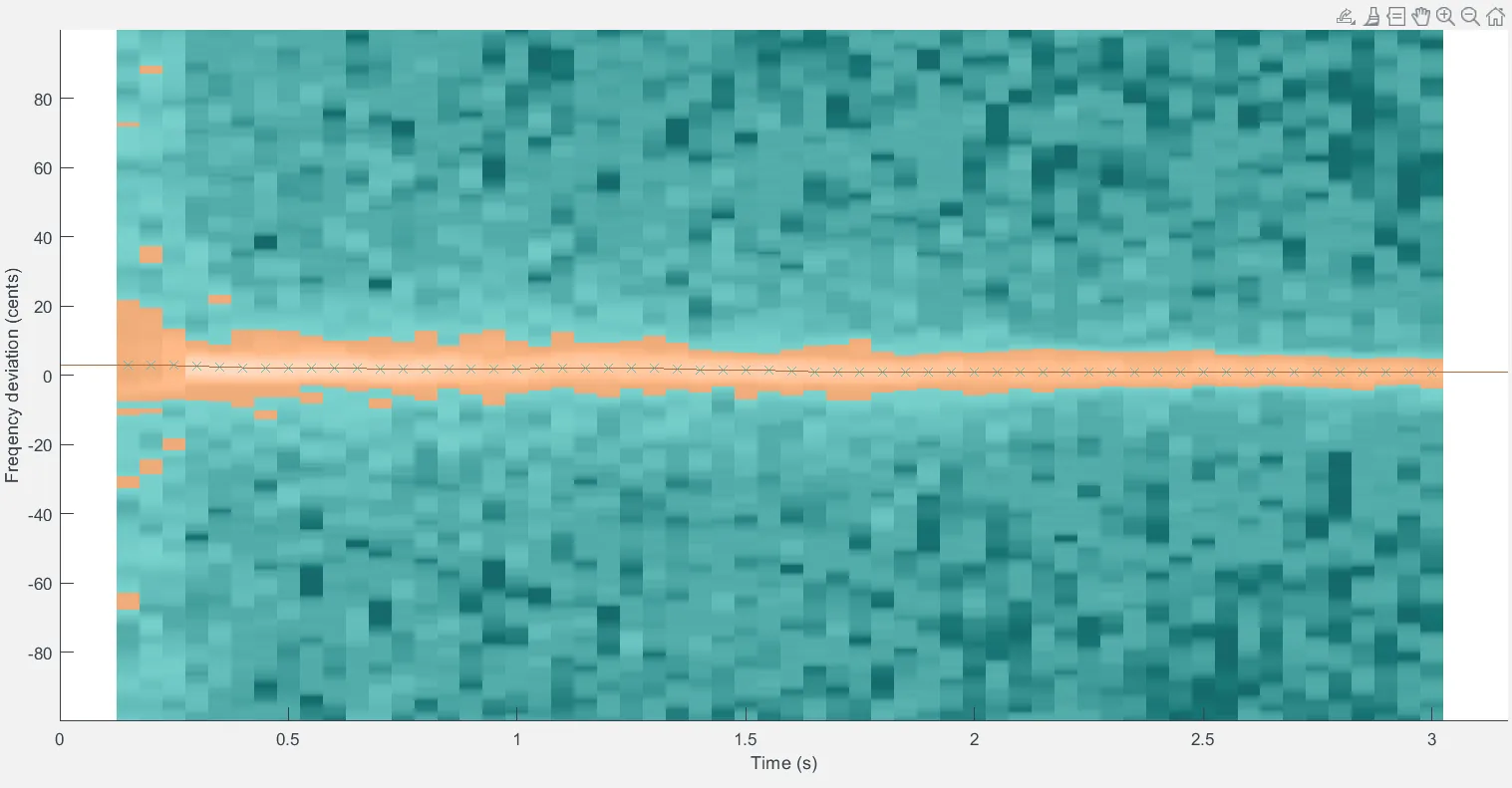
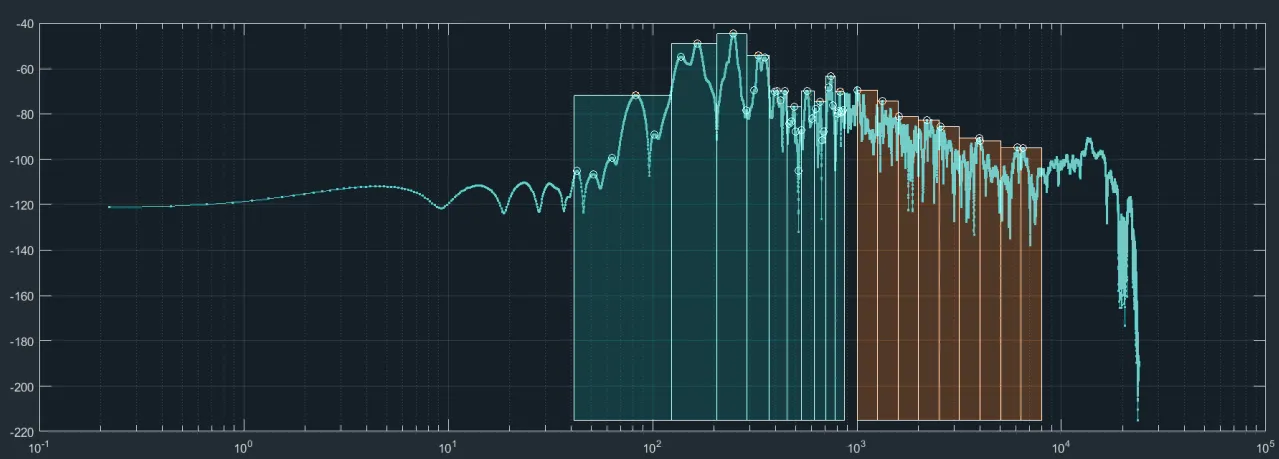
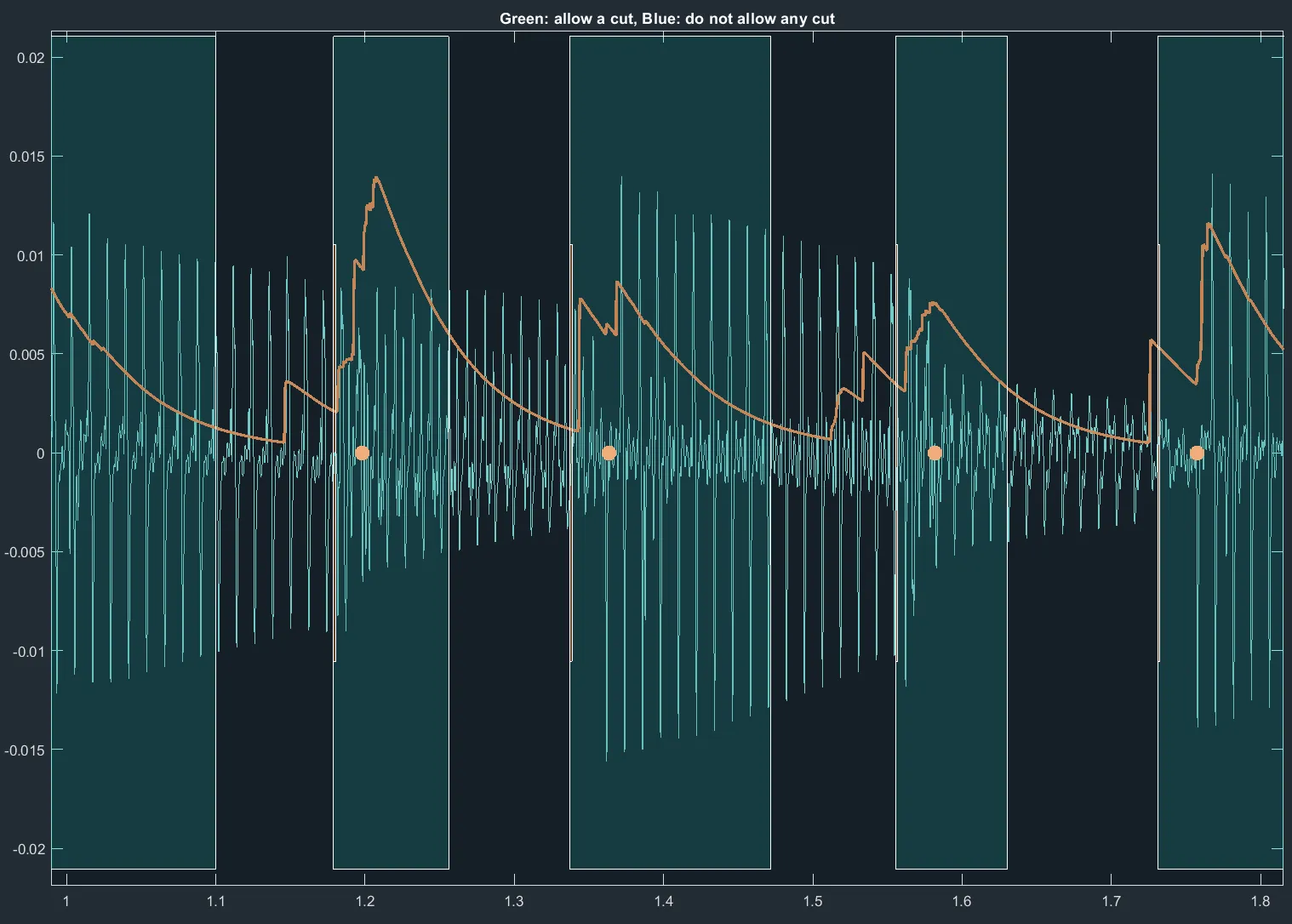
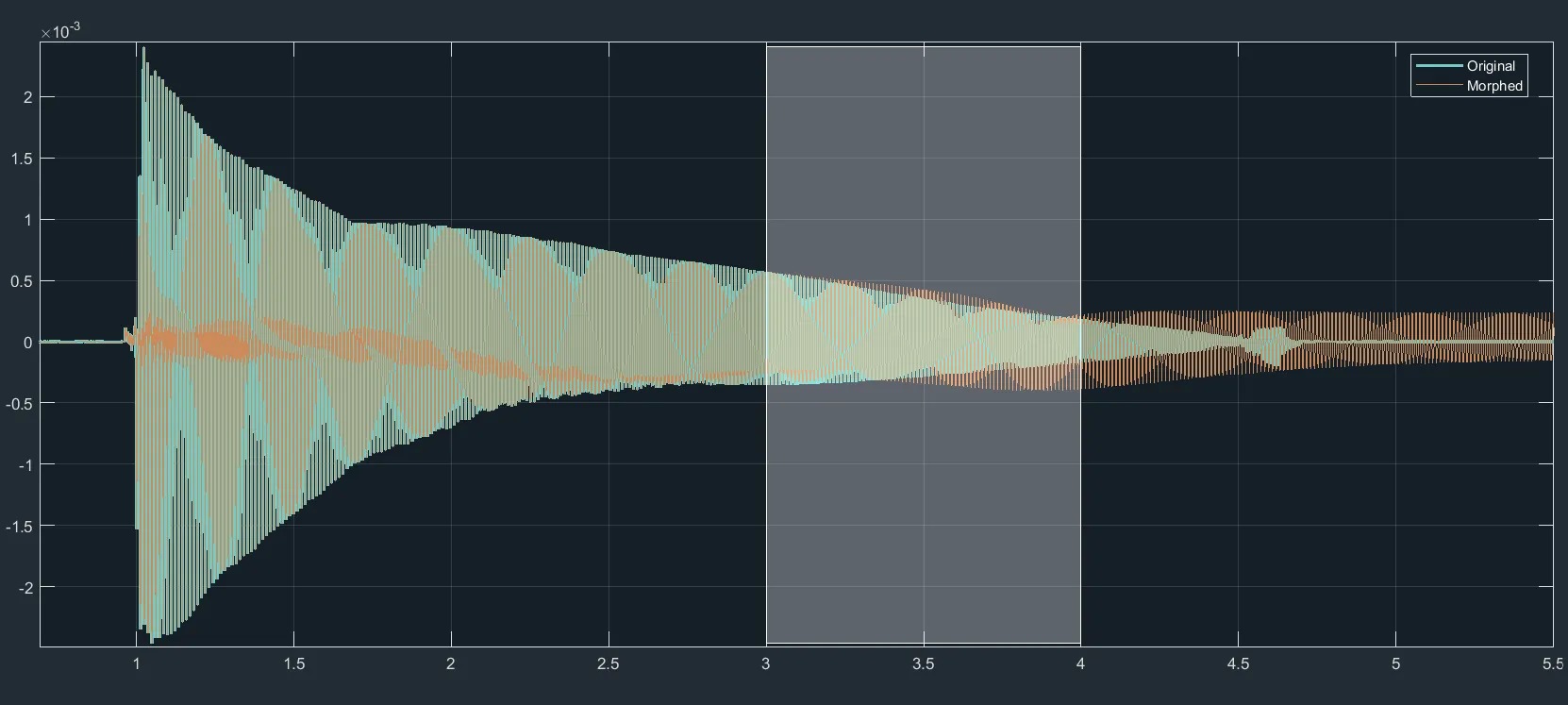
We have developed our own sample post-production tools. Hitpoint detection, cutting, fading, grouping, sorting, tuning, noise removal, naming, quality control and mapping of tens of thousands of samples per library are highly automated. This suite makes large-scale sample production consistent, precise, and efficient.
05
The virtual instrument
Engine design
From emulating different playing styles on guitars and basses, to automatically selecting the right percussion sample for a given playing speed in our "Session Percussionist" series, our playback engines tackle the technical heavy lifting - so you can focus on the music.
Sound & content design
A constantly growing team of internal and external sound designers and composers creates patterns and sound presets, giving each of our libraries their unique sonic character. Curation and fine-tuning happens in-house, in our control rooms designed by Philip Newell.